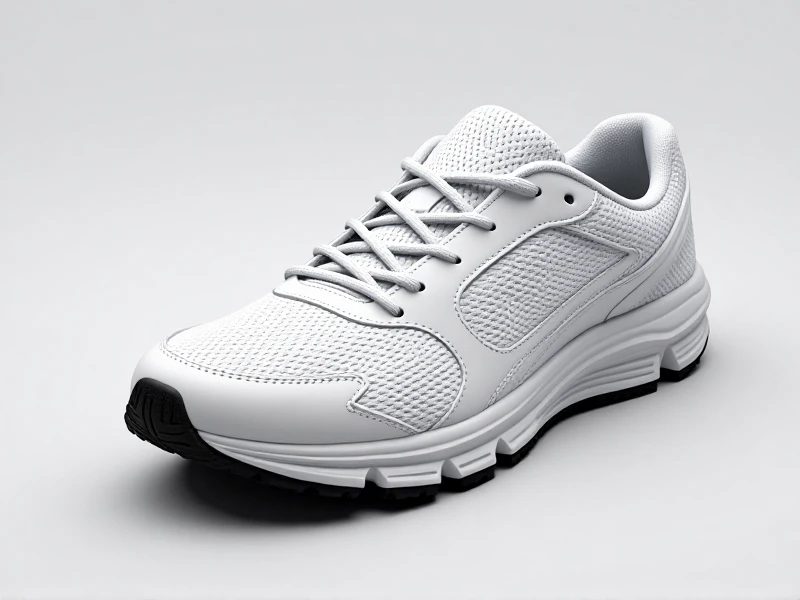
The Essential Guide to Finding Your Best Running Shoes Ever
Running: it's simple, exhilarating, and fundamentally human. But step incorrectly in the wrong shoes, and that joy can quickly turn into discomfort or even injury. Choosing the best running shoes isn't about trends or flashy colors; it’s about unlocking comfort, preventing injury, and maximizing your performance, step after step. Your feet, joints, and overall running experience depend heavily on this critical decision.
Why Proper Running Shoes Matter
Your feet endure significant impact during each stride – force often multiplied by your body weight. Quality running shoes are engineered with specific features to absorb this shock, provide stability, and return energy. The right pair helps maintain proper alignment from your toes up through your ankles and knees, significantly reducing the risk of common issues like shin splints, plantar fasciitis, and knee pain. Beyond injury prevention, they enhance comfort, allowing you to run farther and feel better doing it.
Understanding Key Shoe Categories
Not all runners or feet are alike. Running shoes are typically categorized to match different needs:
- Neutral Running Shoes: Ideal for runners with efficient biomechanics whose feet roll slightly inward (pronate) naturally upon landing. They focus on cushioning without added stability features.
- Stability Running Shoes: Designed for runners who experience moderate overpronation (an inward roll of the foot). They incorporate elements like medial posts or dual-density midsoles to gently guide the foot into a more neutral position without restricting necessary motion.
- Motion Control Shoes: Offer the highest level of support for severe overpronators, often featuring rigid heel counters and extensive stability features. Usually recommended for heavier runners or those with very specific gait patterns.
Cushioning Levels: From Plush to Responsive
- Maximum Cushion: Thicker, softer midsoles for ultimate shock absorption, great for long distances, heavier runners, or recovering from impact injuries.
- Moderate Cushion: The versatile sweet spot for most runners, balancing comfort and responsiveness.
- Minimalist/Low Drop: Thinner soles that aim for a natural foot feel. Require strong feet/legs and careful adaptation. Low drop (the height difference between heel and toe) promotes a midfoot strike.
- Racing/Speed Shoes: Prioritize light weight and propulsion. Typically feature firmer, responsive foams like PEBA (polyether block amide) and aggressive geometry. Offer less protection than daily trainers.
Finding Your Perfect Fit: Beyond the Number
The right size is the absolute foundation:
- Measure Feet Annually: Get properly measured at a running shoe store. Measure both feet and fit to the larger one. Your shoe size changes!
- Shop Later in the Day: Feet swell throughout the day and during runs. Shop when they're largest for the truest fit.
- Thumb's Width Rule: There should be about a thumb's width of space (roughly 1/2 inch or 12-13mm) between your longest toe and the end of the shoe.
- Check Width: Ensure ample room across the widest part of your foot without slippage in the heel.
- Try Them On: Wear the running socks you use. Walk and ideally jog around the store.
- Heel-to-Toe Drop: Consider how much your feet and calves need/tolerate. A higher drop (8-12mm) is often easier on calves/Achilles, while lower drops (0-6mm) encourage a more natural gait but demand stronger lower legs.
Investing time and thought into selecting your next pair of running shoes is an investment in your health and your running future. Prioritize biomechanics over aesthetics, comfort over hype, and give your feet the exceptional support they deserve for every mile ahead.