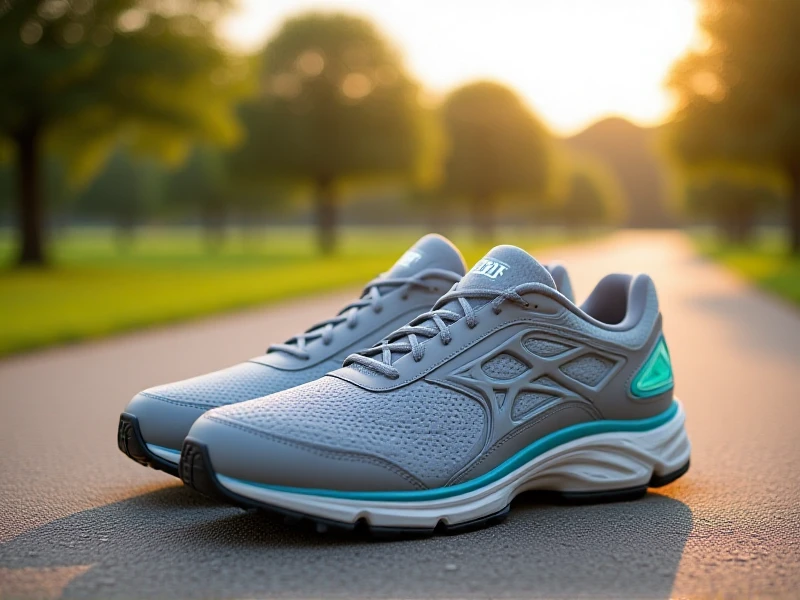
Your Road to Better Runs Starts Here: The Ultimate Guide to Running Shoes
Finding the perfect pair of running shoes isn't just about fashion; it's the foundation of a comfortable, injury-free running journey. With countless options shouting for your attention, understanding the fundamentals empowers you to ditch frustration and find your ideal match.
Why the Right Running Shoes Matter
Your feet bear the brunt of every stride, absorbing impact forces several times your body weight. Ill-fitting or poorly suited shoes can lead to blisters, shin splints, joint pain, and more serious overuse injuries. The perfect pair provides the necessary support, cushioning, stability, and flexibility your unique feet and stride require, transforming your run from a chore to a joy.
Key Factors in Your Running Shoes Search:
- Know Your Arch and Pronation: Your foot's natural arch and how it rolls inward (pronation) upon landing are critical. Visit a specialized running store for a quick gait analysis. Are you an overpronator, underpronator (supinator), or neutral? This determines the level of stability or motion control needed.
- Fit is King (and Queen!): Never underestimate a proper fit. Aim for about a thumbnail's width of space between your longest toe and the shoe's end to prevent bruised toenails on downhills. Your heel should feel snugly locked in, allowing minimal slippage. Width matters too – cramped toes lead to blisters. Wiggle room is essential!
- Cushioning: Plush or Firm? Running shoe cushioning ranges from maximalist (super soft, impact-absorbing) to minimalist (low profile, ground-feel). Most runners fall in love with versatile neutral cushioning. Consider your typical running surface (road vs. trail), distance, and personal comfort preference. Do you crave cloud-like softness or a responsive, "connected" feel?
- Heel-to-Toe Drop: This measurement affects your footstrike motion. For most beginners, a moderate drop (8-10mm) offers a familiar feel and ease of transition.
- Running Terrain: Road running shoes prioritize cushioning and smooth-surface traction. Trail running shoes boast aggressive lugs for grip and often feature rock plates and reinforced uppers for protection on rugged paths. Match the shoe to the surface for optimal performance and safety.
Listen to Your Feet and Body
The best test happens on the move. Jog around the store if possible. Notice pressure points, slipping heels, or unnatural tightness? Don't settle. Pay attention to how your legs feel during and after a run – discomfort is a red flag. Remember, running shoes aren't forever; the support breaks down over time. We recommend replacing them every 300-500 miles to maintain protection and performance.
Investing time in finding your ideal running shoes is an investment in your health, comfort, and running enjoyment. Your perfect pair is out there, ready to support every mile of your journey. Lace up, breathe easy, and hit the road with confidence!
Ready to explore? Visit our comprehensive collection of Running Shoes, expertly curated for every runner, stride, and terrain! Happy Running!