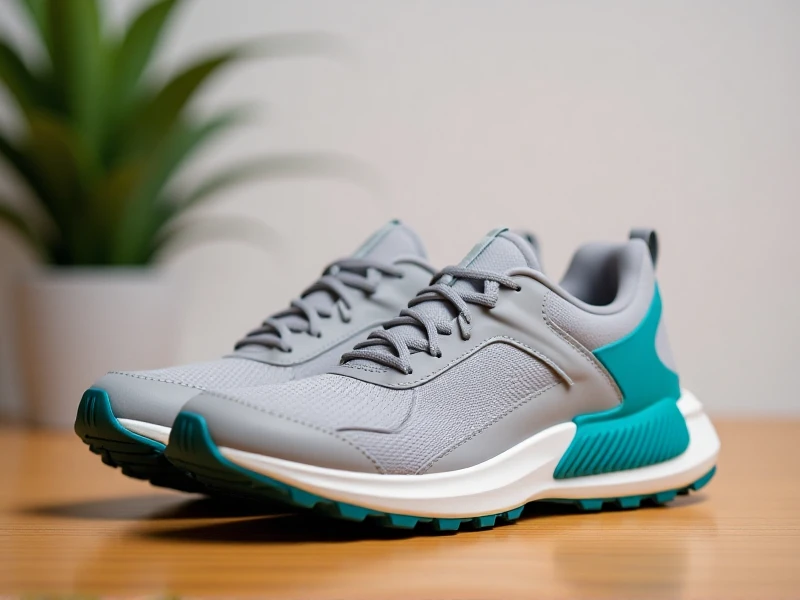
The Ultimate Guide to Choosing the Best Running Shoes for Your Run
Looking for the perfect pair of running shoes? As a dedicated runner, I know how vital the right footwear is — it enhances performance, prevents injuries, and makes every mile feel effortless. Whether you're training for a marathon or enjoying a daily jog, finding top running shoes tailored to your needs can transform your experience. In this guide, I'll break down everything to consider, drawing from years of testing and expert tips. By the end, you'll feel confident in picking shoes that boost your stride and keep you injury-free.
First, why do running shoes matter so much? Unlike regular sneakers, dedicated running shoes are engineered to absorb impact and provide stability, which protects your joints from common issues like stress fractures. High-quality ones feature specialized cushioning and support systems that adapt to your gait, making long runs less taxing. I've swapped generic shoes for proper running shoes and noticed the difference: my pace improved, and aches disappeared. For beginners, investing in solid running shoes early prevents setbacks, allowing you to focus on building mileage without worry.
Now, let's explore the key types of running shoes. Road shoes dominate the market, offering lightweight designs and responsive soles ideal for paved paths. Trail shoes ramp up durability with aggressive tread and water-resistant materials, perfect for rugged terrain. Stability shoes include support features for overpronators, while neutral shoes cater to a natural stride. Choosing between them hinges on where you run most. Personally, I love versatile hybrids that handle both streets and light trails — they save you from buying multiple pairs. As for features, consider arch support: people with flat feet often need structured options like motion control running shoes, while high arches benefit from extra cushioning.
Finding the best running shoes involves a few practical steps. Start by assessing your foot shape and running style during a gait analysis at a local store. Cushioning levels vary, so opt for softer pairs for long distances or firmer ones for speedwork. Weight is crucial too — lighter shoes enhance speed but might sacrifice comfort for heavy training. Brands like Brooks or ASICS consistently deliver top running shoes with innovations like breathable uppers and responsive midsoles. I tested the Nike Pegasus and Brooks Ghost this year; both excel in comfort for daily runs. For budget options, Saucony models offer great value without compromising quality.
In 2023, prioritize running shoes that match your goals and feel comfortable from the first wear. Remember to replace them every 300-500 miles to maintain support. Ultimately, the best running shoes empower your journey — they're worth every penny. Got questions or favorite picks? Drop a comment below or share your story on our social pages to keep the conversation going. Happy running!