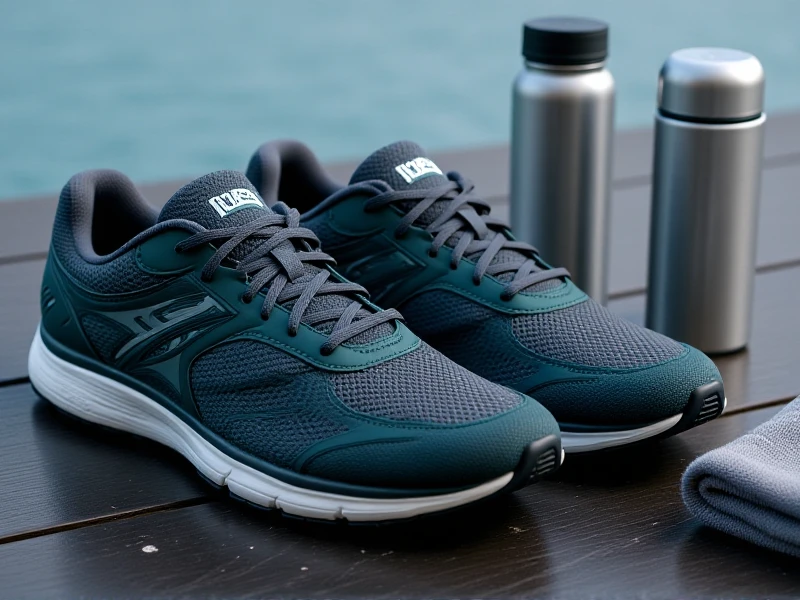
The Ultimate Guide to Choosing the Right Running Shoes
When it comes to enhancing your daily jog or long-distance run, selecting the perfect running shoes makes all the difference. Running shoes are designed to provide support, cushioning, and stability, helping you avoid injuries like shin splints while boosting your performance. If you're new to fitness or a seasoned athlete, understanding what to look for in a pair can transform your workouts. Start by considering your running style—do you need shoes for trails, roads, or a mix? Opting for the best running shoes ensures comfort and efficiency on every stride.
Running shoes come in various types tailored to different needs. For instance, neutral shoes offer balanced cushioning and are ideal if you have efficient foot motion. Stability models include extra support for overpronation, reducing stress on your arches while you run. Meanwhile, cushioning shoes prioritize shock absorption, perfect for high-impact surfaces or longer runs. Always try on several brands since the fit can vary—a thumb's width of space at the toe box helps prevent blisters. Remember, good running shoes adapt to your arch type, whether you're flat-footed or have a high arch.
Finding the right pair involves more than just style; it impacts your health. Worn-out or improper running shoes can lead to issues like plantar fasciitis or knee pain. Aim to replace them every 300-500 miles or when the tread wears down. Testing them in-store with a gait analysis helps, especially if you run frequently. Pair this with moisture-wicking socks to keep your feet dry and comfortable. Investing in quality running shoes pays off by enhancing endurance and making every run feel effortless.
In conclusion, prioritizing the right running shoes can elevate your routine, whether you're training for a marathon or enjoying a casual jog. Browse reviews from other runners and focus on durability and breathability. Now, lace up and hit the pavement with confidence—you'll notice the difference from day one!